

Journal
I’ve always been drawn to the moment where ideas turn into reality. Less theory, more action. Fewer visions, more decisions.

Calibrating for Weather You Haven’t Met Yet
Executing harder is often just a way to avoid admitting the conditions have changed. Adaptability isn’t a vibe; it is strictly the speed and quality of your updates. Most teams fail because they are more loyal to their old routine than the current reality. If your behavior doesn’t change after you learn something new, you haven’t adapted. True calibration means matching your effort to the wind you have, not the wind you remember.
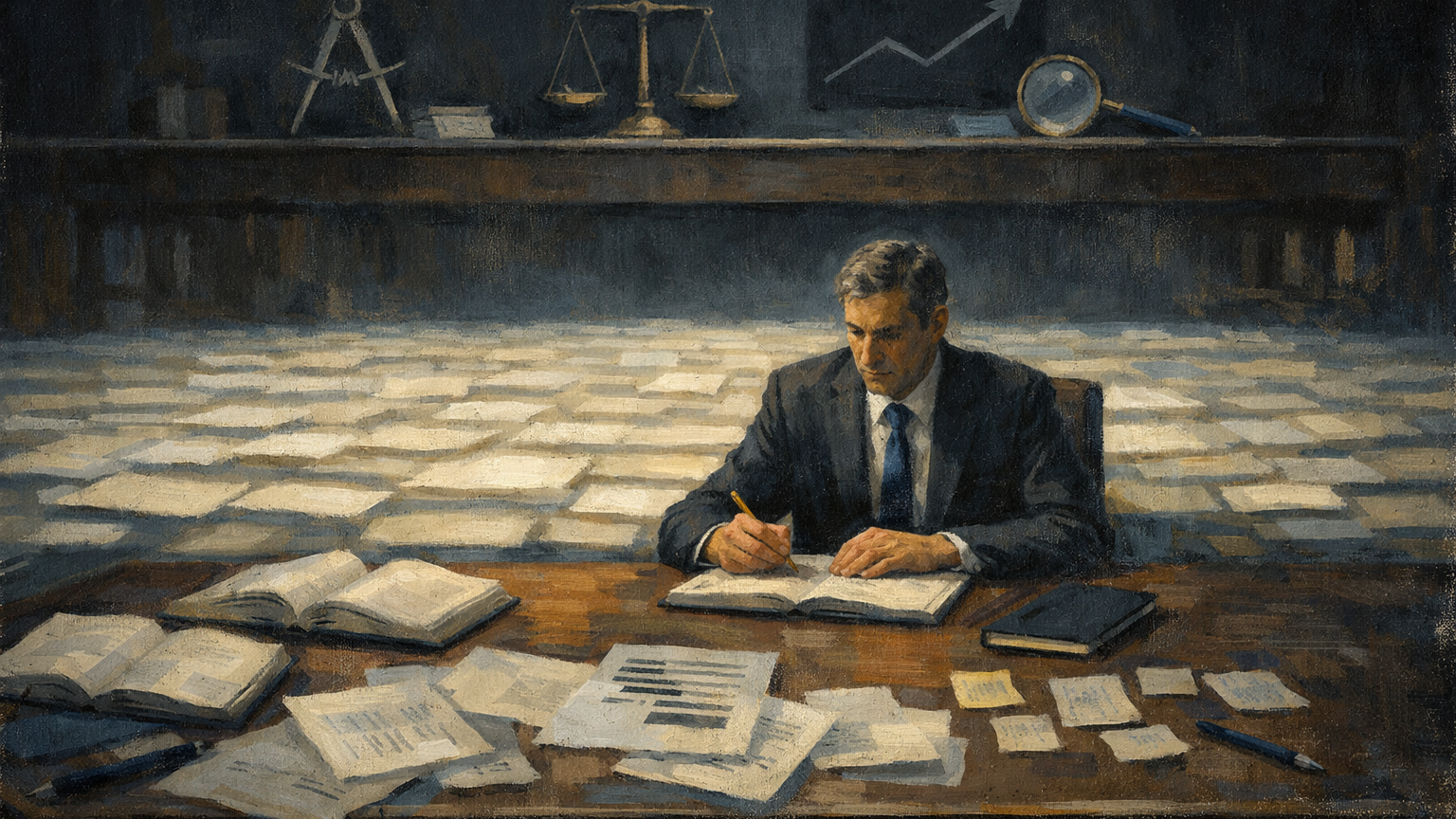
Upping the Game: How AI forces you to be significantly better than before
AI has raised the "productivity floor," making the ability to generate polished drafts a cheap commodity rather than a sign of competence. As the bottleneck shifts from information retrieval to critical judgment, value is no longer found in the volume of output but in the ability to filter, verify, and make defensible decisions. To thrive, individuals must move beyond "good enough" AI summaries and focus on high-level synthesis and sharp questioning that anchors automated work in reality.
Bread in the Bay: How to switch from interest to commitment
Interest is cheap. And it often feels like progress because it rewards us fast. Execution starts when a leader adds the “hook”: a decision that carries trade-offs, ownership, and consequences. If you keep feeding enthusiasm without commitment, you train everyone to stay interested while nothing becomes real.

The Great Lie of Complexity: Why the “Big Picture” is where progress goes to die
Big Picture Thinking is often just sophisticated procrastination that paralyzes us by widening the gap between a problem's size and our ability to act. We use complexity as camouflage to avoid the risk of execution, but this only stalls progress. The solution is to ignore the vastness and find the "Minimum Unit of Meaningful Motion", the absolute smallest action that moves you forward. You cannot control the ocean, but you can always control the next stroke.
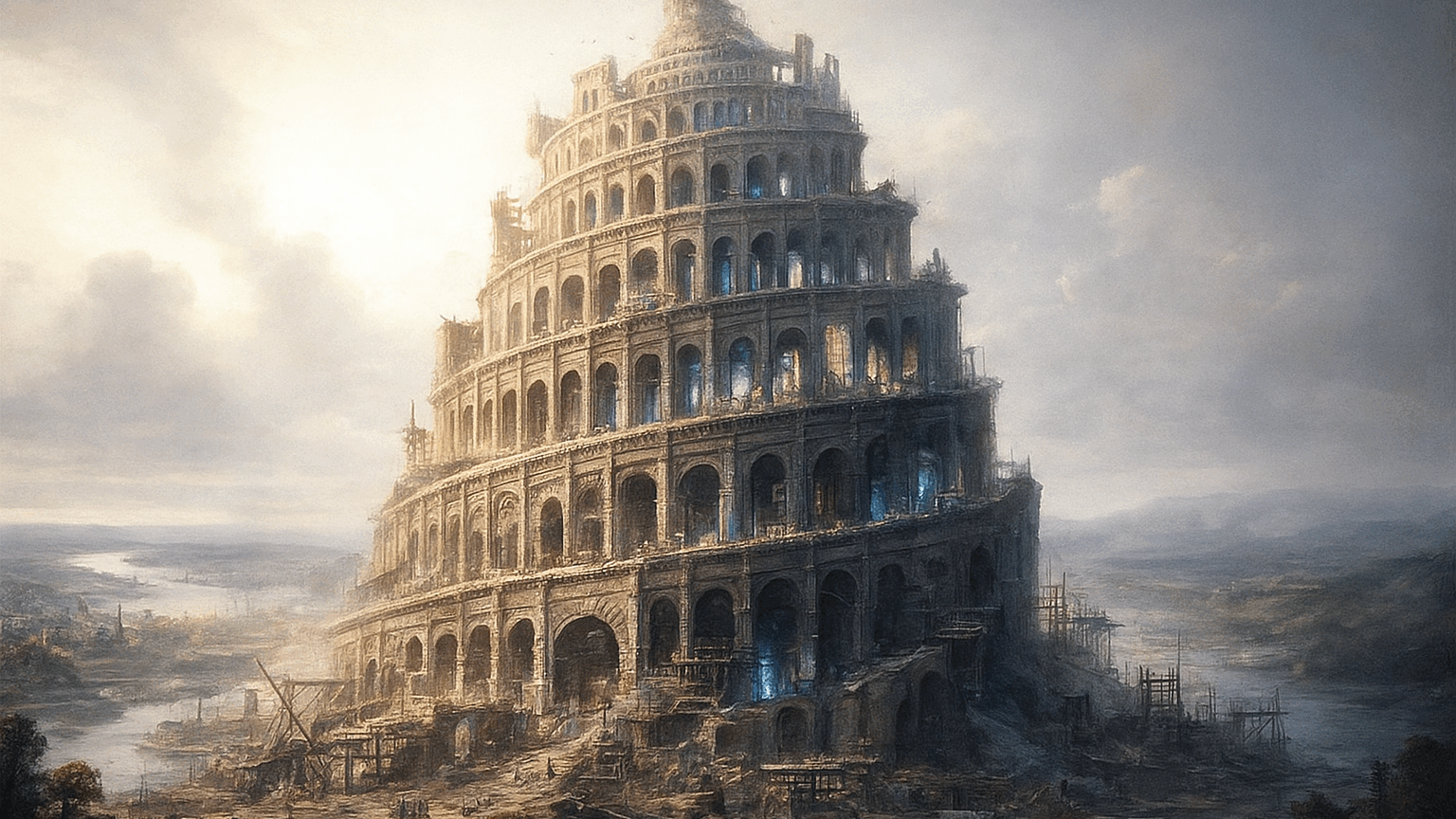
The Hidden Tax of Curiosity: Why Possibility Overload Leaves You Fragmented
Curiosity expands our world, but it also comes with a hidden tax: every spark of interest opens a mental loop the mind continues to monitor. Over time, these unresolved possibilities accumulate into cognitive debt and emotional residue, not because we commit to too much, but because we consider too much. The dilemma isn’t distraction but the bandwidth required to process possibility. Curiosity remains essential, but its value increases when we learn to close loops intentionally instead of generating more of them.
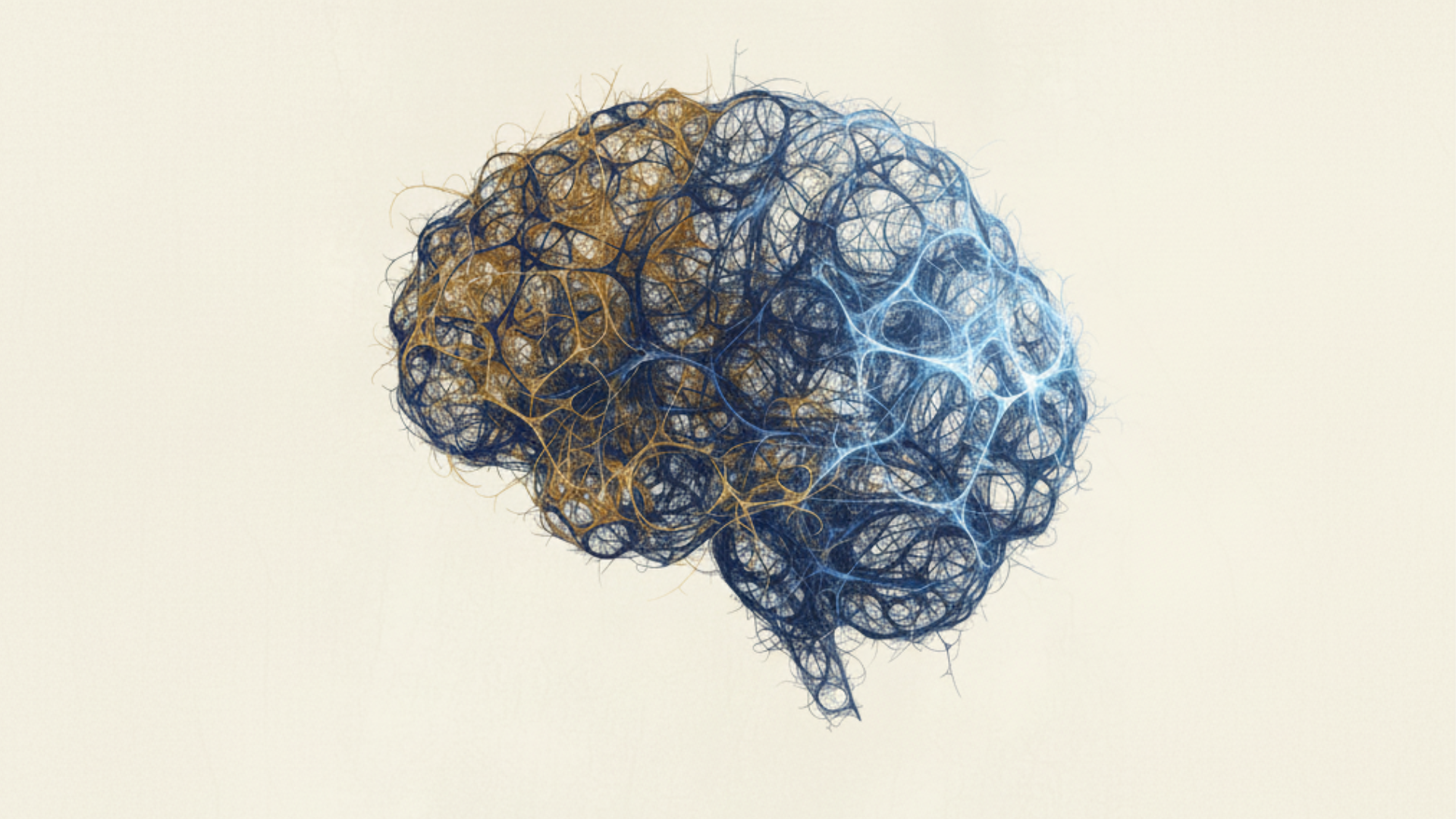
The Decluttering Mechanism: Your Brain Is Not a Landfill
Modern work doesn’t suffer from a lack of time but from an excess of input. The constant influx of messages, meetings, and digital noise drains cognitive energy, leading to decision fatigue and organizational inertia. The Decluttering Mechanism introduces a structured way to manage attention through signal discipline; triaging and filtering inputs before they accumulate into chaos. By treating attention as a scarce resource and designing cognitive firewalls into daily work, leaders can protect their mental bandwidth, restore clarity, and sustain meaningful progress.
The Flow Illusion: How Productive Leaders Become Organizational Bottlenecks
We mistake personal productivity for progress. A leader with perfect inbox zero can still paralyze an organization waiting on their decisions. Productivity is not only about finishing more work but also about freeing more work. Throughput Stewardship means measuring not how much you do, but how fast you unblock others. Because sometimes, the most valuable thing you finish today… is someone else’s delay.

Beyond Productivity: The Inertial Logic of Progress
Productivity measures motion. Progress measures meaning. Most leaders confuse activity with advancement, mistaking movement for momentum. The fix is Value Creation: one deliberate act each day that truly moves the mission forward. Filter, select, complete. One finished task becomes the inertial damper that absorbs chaos and turns busyness into real progress.
The Pending Task Threshold: A Survival System for Personal Productivity
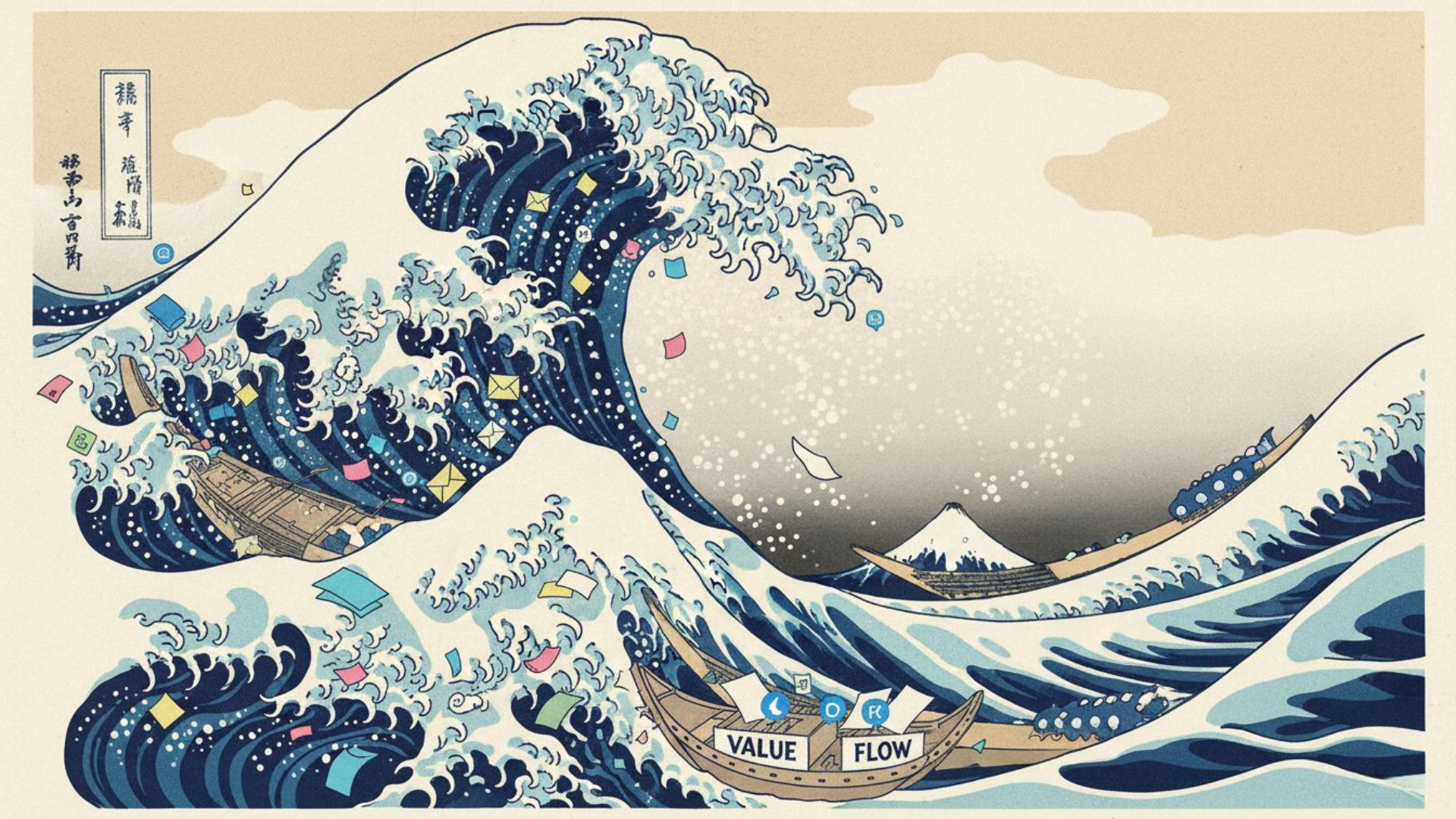
Productivity is about protecting attention. The Pending Task Threshold (PTT) is a survival system for personal productivity with three mechanisms. Value Creation (move one mission-critical task daily), Organizational Flow (unblock dependencies), and Declutter (capture freely, graduate selectively). The core rule: nothing new enters without something else leaving. One value move, one flow safeguard, one page turned. This essay introduces the concept; the next essays will dive deeper into each mechanism.
Green Dashboards Hide Red Realities: Because nobody brags about being “mostly yellow”
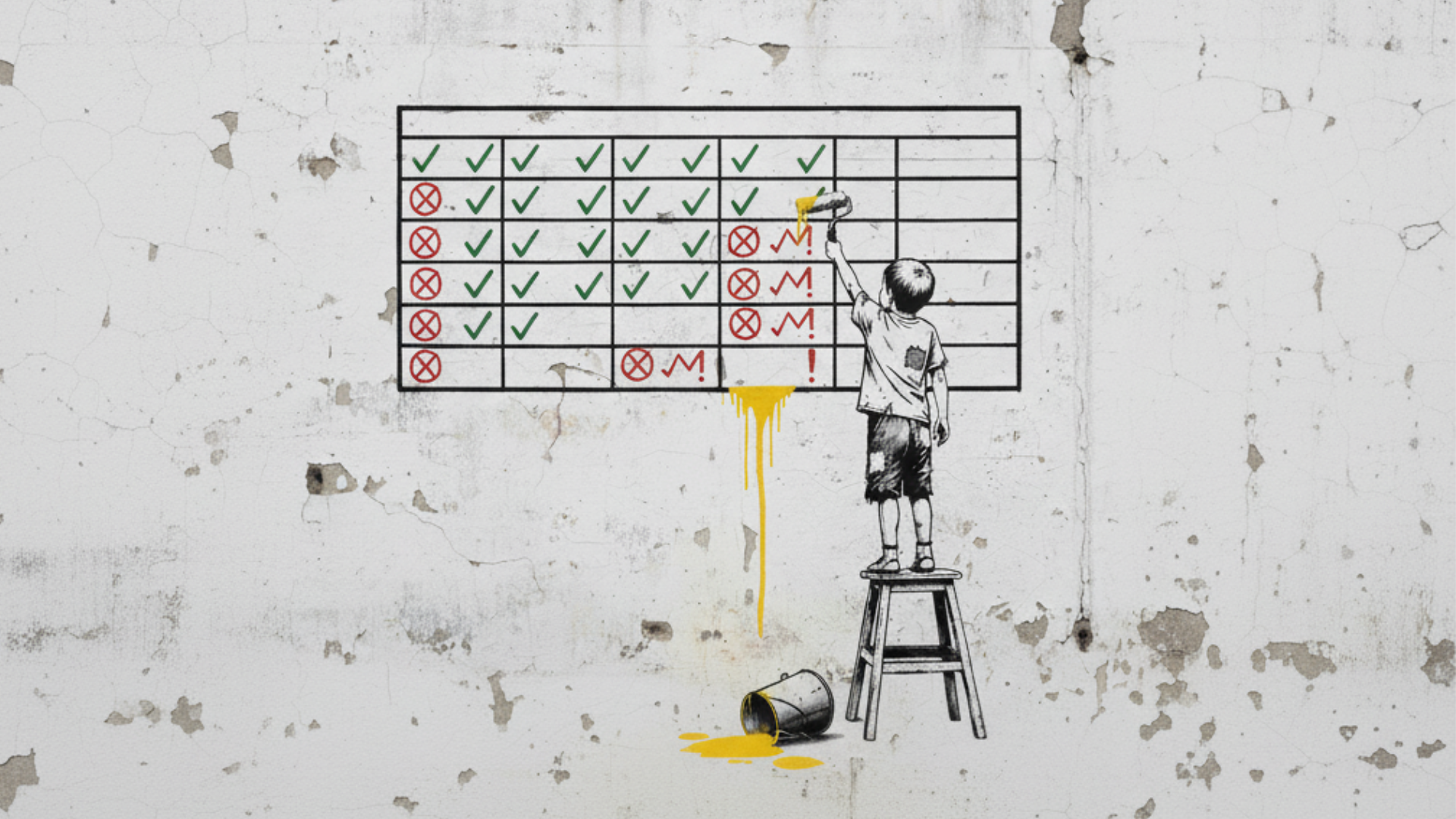
Green dashboards give comfort but often hide reality. They reward vanity metrics and create the illusion of progress, while urgency slips away unnoticed. Leadership in times of uncertainty means looking beyond the green, embracing the yellow signals, and acting on what’s uncomfortable instead of celebrating what looks perfect. Progress is messy, inconvenient, and full of friction. Leaders who face that mess head-on are the ones who actually move things forward.